

Chitosan Scaffolds

The Solution

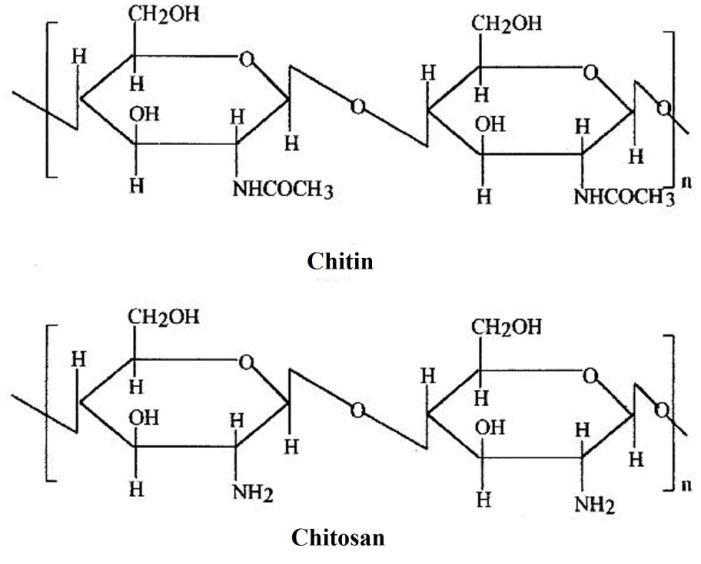
Chitosan is a chitin-derived biomaterial known for its natural hemostatic and antimicrobial properties. Acquired from abundant sources such as crustacean shells. When applied to wound sites, chitosan can promote clot formation, support fibroblast proliferation, and assist in tissue regeneration.

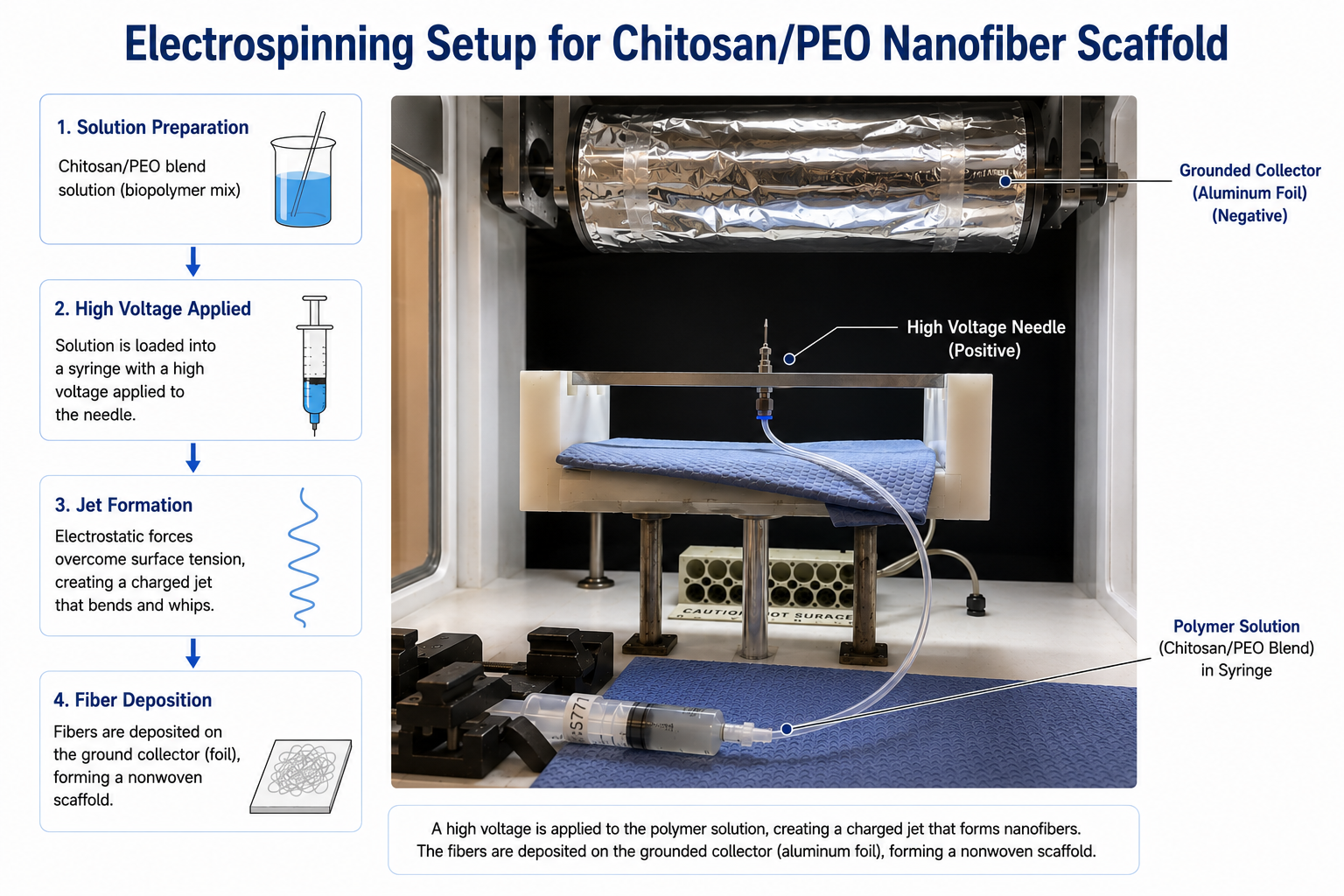
Using electrospinning technology, the HemaWeave team developed a chitosan/PEO electrospun nanofiber scaffold designed to provide antimicrobial activity, promote rapid hemostasis, and support wound healing within a flexible nanofibrous structure.

Electrospinning Technology

Electrospinning is a technique that allows for the production of fine nanofibers through the application of an electrical force on a polymer solution. The charge difference allows the solution to be drawn to the plate, creating fibrous structures that contain fibers only hundreds of nanometers thick.

In many ways, electrospinning functions like an electrically driven loom–using electric forces instead of mechanical weaving to create nanoscale fibrous structures that mimic the extracellular matrix of biological tissue.

Process Overview
Description of image

Watch the Video Demo!


Future Directions

Advancing electrospun chitosan wound scaffold technology toward future clinical and commercial applications.

Our long-term vision is to translate electrospun chitosan wound scaffolds from laboratory development toward clinically viable wound care technologies.

Commercialization Potential

Electrospinning technologies continue to gain interest within biomaterials and wound care industries due to their ability to produce highly porous and customizable nanofiber scaffolds. With continued optimization and biological testing, electrospun chitosan wound scaffolds may have future potential for commercialization within advanced wound care markets.

Future Development

Future work could focus on in vitro biological testing, cytotoxicity evaluation, mechanical characterization, scaffold optimization, and scalability analysis. Continued development may improve scaffold performance, manufacturability, and clinical applicability.

Regulatory & Clinical Translation

Additional future efforts include investigation of regulatory pathways and potential FDA considerations for advanced wound care devices. Continued testing and validation may support the transition of the scaffold toward future clinical and commercial applications in infection prevention and wound healing.